


ISO certified tools

Trusted by coating
inspectors worldwide

Used in marine, energy
& civil infrastructure
What you can't see will make your coating fail
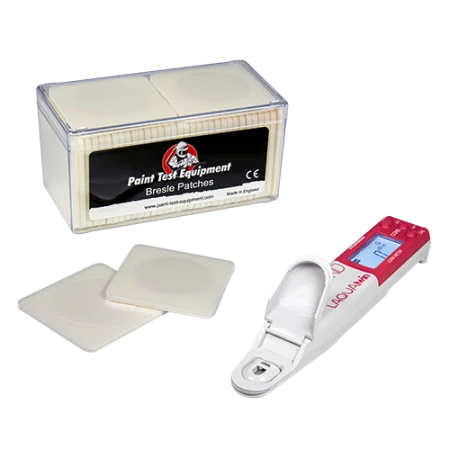
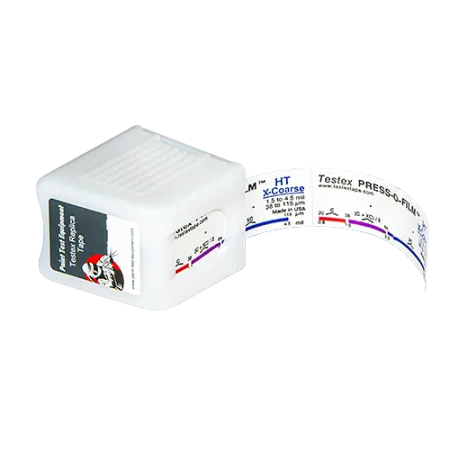
Dust, soluble salts, and incorrect surface profile are the leading causes of premature coating failure, and none of them
are visible to the naked eye. These tools give you objective, measurable data before you apply a single coat.
Not sure which tool fits your project?
Coating inspection requirements vary by industry, standard, and surface type. Our technical experts help you select the right combination of tools, interpret results correctly, and align with ISO or project specifications.
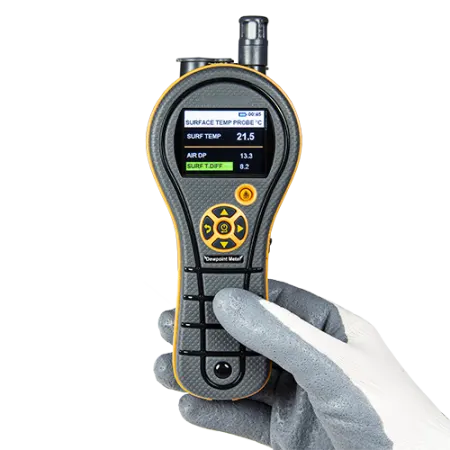
Condensation is invisible. Its damage isn't.
Temperature, relative humidity and dew point determine whether your coating will bond, or silently fail within weeks. If the steel surface is
within 3°C of the dew point, you should not coat. One instrument gives you all the data you need to decide with certainty.
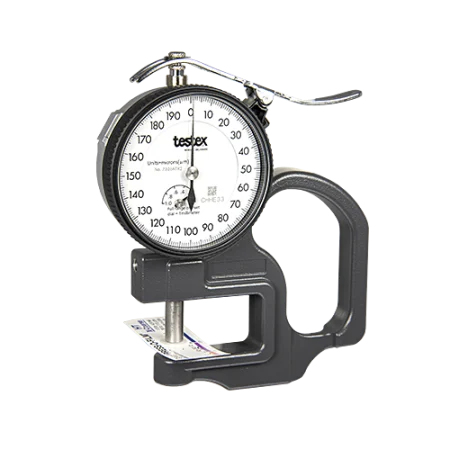
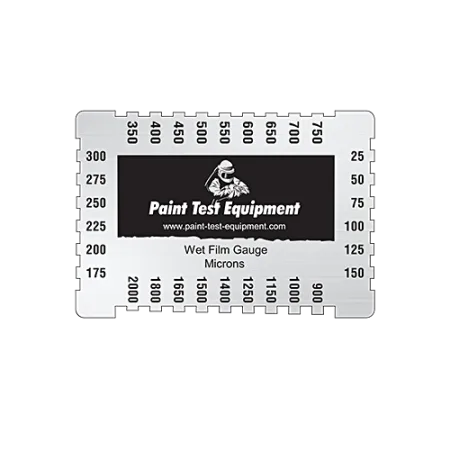
Too thin fails. Too thick cracks. Control matters.
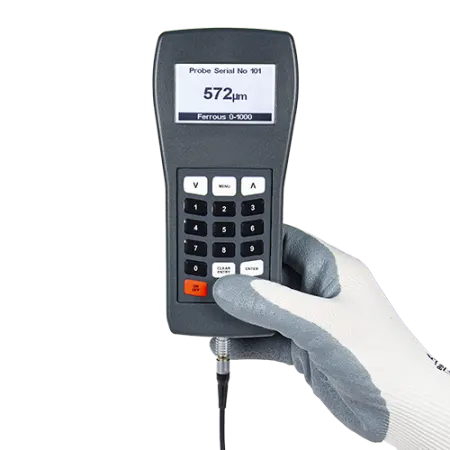
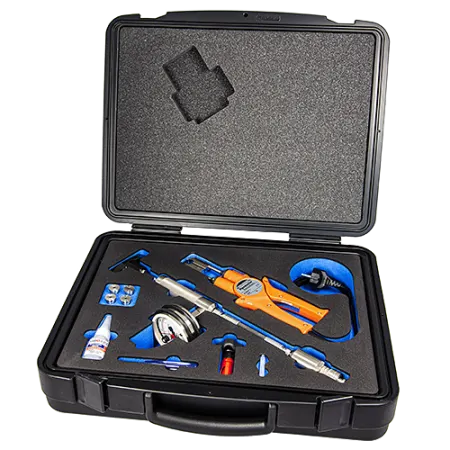
Protective coatings are engineered to perform within a precise thickness range. Too thin means insufficient barrier protection. Too thick risks cracking,
poor adhesion between layers, or extended curing times. Verify at both stages, during application and after curing.
Need Help Reading Your Results?
Inspection data is only useful if you know how to act on it. Our team supports you in interpreting measurements, understanding compliance requirements, and making the right calls on the job from first coat to final sign-off.
Contact Us
Contact Form
Need advice or a custom quote for your abrasive needs? Fill in the form below, and our experts will contact you shortly.
Frequently Asked Questions
What instruments do I need before applying a coating?
Before any coating application, you need to verify surface cleanliness. This means checking for soluble salt contamination using a Bresle-method meter and assessing dust levels with a Dust Test Kit. These two steps are essential to ensure proper adhesion and long-term coating performance.
Can I buy the instruments from the Paint Inspection Kit separately?
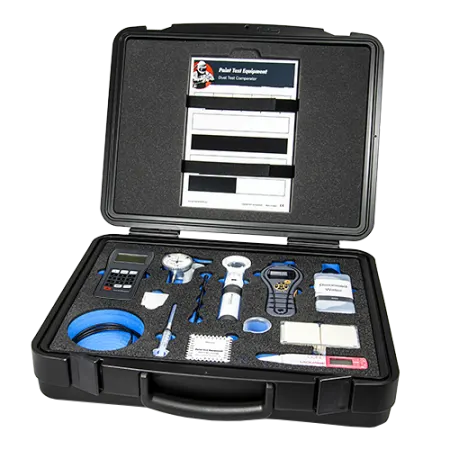
Yes. All instruments included in the Paint Inspection Kit are also available individually. If you only need one or two specific tools, you can purchase them separately or contact our team to build a custom kit tailored to your project.
How do I choose the right coating thickness gauge?
The right gauge depends on your substrate type (ferrous, non-ferrous, or both) and the coating system you're working with. Our team can help you identify the most appropriate model based on your application and the standards you need to comply with.
Are your instruments compliant with international standards?
Yes. Our instruments are compatible with the main international standards used in protective coatings inspection, including ISO, SSPC, NACE, and ASTM. Product pages specify the relevant standards for each instrument.
Can I get a quote for a full inspection setup?
Absolutely. Use the contact form above to describe your project and requirements, and our team will come back to you with the most suitable solution and a detailed quote.