


Non-Metallic Abrasives
-
 In stock
Non-Metallic Abrasives: Types, Applications, and Benefits
Non-metallic abrasives play a critical role in modern surface preparation, cleaning, finishing, and polishing across a wide range of industries. Unlike metallic abrasives, these materials do not contain iron or steel, making them ideal for applications where contamination, corrosion, or surface damage must be avoided. This article explores what non-metallic abrasives are, their main types, key applications, and the advantages they offer.
What Are Non-Metallic Abrasives?
Non-metallic abrasives are abrasive materials that do not contain metal elements. They are commonly used in abrasive blasting, grinding, polishing, and surface finishing processes. These abrasives can be either natural or synthetic and are selected based on hardness, particle shape, recyclability, and the surface being treated.
Because they are free from metallic content, non-metallic abrasives are especially suitable for industries such as oil and gas, aerospace, automotive, marine, construction, and food processing, where surface purity and corrosion resistance are essential.
Types of Non-Metallic Abrasives
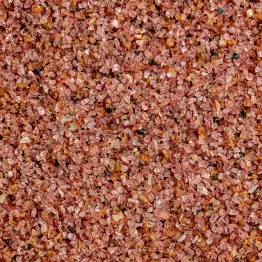
1. Garnet
Garnet is one of the most widely used non-metallic abrasives. It is a natural mineral known for its high hardness, low dust generation, and recyclability.
Key features:
Angular grain structure
Low free silica content
Suitable for wet and dry blasting
Common uses:
Surface preparation
Waterjet cutting
Coating and paint removal
2. Aluminum Oxide
Aluminum oxide is a synthetic non-metallic abrasive with excellent hardness and durability.
Key features:
High cutting speed
Long service life
Available in various grit sizes
Common uses:
Grinding and polishing
Sandblasting
Surface finishing of metals and ceramics
3. Silicon Carbide
Silicon carbide is sharper and harder than aluminum oxide, making it ideal for precision applications.
Key features:
Extremely hard and brittle
Sharp cutting edges
High thermal conductivity
Common uses:
Fine grinding
Lapping
Polishing stone, glass, and non-ferrous metals
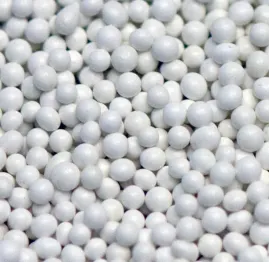
4. Glass Beads
Glass beads are spherical non-metallic abrasives used for cleaning and finishing without damaging the surface.
Key features:
Non-aggressive
Recyclable
Produces a smooth, satin finish
Common uses:
Surface peening
Cleaning delicate components
Cosmetic finishing
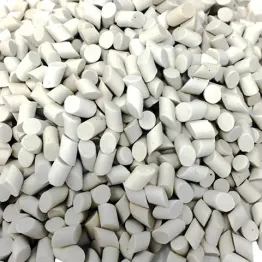
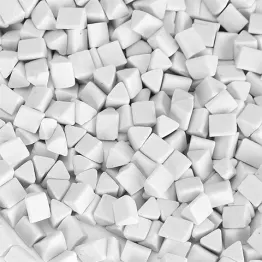
5. Plastic Media
Plastic abrasives are lightweight and soft compared to mineral abrasives.
Key features:
Low surface impact
Minimal material removal
Reusable multiple times
Common uses:
Paint stripping
Mold cleaning
Aerospace and automotive parts maintenance
6. Walnut Shells and Corn Cob
These natural organic abrasives are biodegradable and environmentally friendly.
Key features:
Soft and non-damaging
Low dust generation
Eco-friendly disposal
Common uses:
Cleaning wood and soft metals
Polishing
Surface preparation without abrasion
Applications of Non-Metallic Abrasives
Non-metallic abrasives are used in a wide range of industrial and commercial applications, including:
Surface preparation before painting or coating
Polishing and finishing of metals, plastics, and composites
Waterjet cutting of stone, glass, and metal
Aerospace and automotive maintenance
Marine and offshore structure cleaning
Their versatility makes them suitable for both heavy-duty industrial operations and delicate precision work.
Advantages of Non-Metallic Abrasives
Corrosion Prevention
Since they do not contain iron, non-metallic abrasives eliminate the risk of ferrous contamination, reducing the chance of corrosion on treated surfaces.
Surface Protection
Many non-metallic abrasives are less aggressive than metallic ones, allowing controlled material removal and minimizing surface damage.
Environmental Benefits
Several non-metallic abrasives, such as garnet and organic media, are reusable and produce less dust, contributing to a safer and cleaner working environment.
Versatility
Available in a wide range of hardness levels and grain shapes, non-metallic abrasives can be tailored to specific applications and materials.
Cost Efficiency
Although some non-metallic abrasives have a higher initial cost, their recyclability and efficiency often result in lower overall operational costs.
Choosing the Right Non-Metallic Abrasive
Selecting the right non-metallic abrasive depends on several factors:
Type of surface material
Desired surface finish
Environmental and safety requirements
Equipment compatibility
Budget and reusability needs
Understanding these factors ensures optimal performance and extends the life of both the abrasive and the equipment used.
Conclusion
Non-metallic abrasives are an essential solution for industries that require effective surface treatment without the risks associated with metallic media. With a wide variety of materials such as garnet, aluminum oxide, glass beads, and organic abrasives, they offer flexibility, efficiency, and environmental advantages. By choosing the right non-metallic abrasive for your application, you can achieve superior surface quality, improved safety, and long-term cost savings.