Understanding the Properties of Abrasives: Size, Hardness, and Quality

In blasting operation, the properties of the abrasives used—such as size, hardness, and quality—determine the effectiveness, efficiency, and overall success of the process. Understanding how these properties influence the performance of your abrasive blasting operations can help you make better choices, optimize your results, and extend the lifespan of your equipment. This guide delves into the importance of abrasive size, hardness, and quality, explaining how each aspect impacts surface preparation and the key considerations to keep in mind.
Abrasive Size: Finding the Right Balance
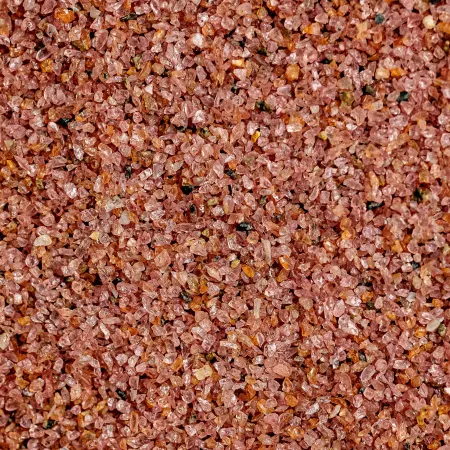
The size of the abrasive particles plays a significant role in the performance of the blasting process. A general rule in abrasive blasting is to use the finest possible abrasive that still has enough energy to complete the job, whether it’s desanding, descaling, or surface preparation. The choice of abrasive size is a compromise between two key factors:
- Energy Delivered by the Grain: Larger abrasives carry more energy per particle, making them more effective at removing heavy coatings, rust, or scale. However, this increased energy can also lead to longer processing times and more aggressive surface profiles.
- Coverage Rate: Finer abrasives offer more impacts per kilogram of media, resulting in faster coverage and potentially shorter processing times. However, their lower energy per particle means they might be less effective for heavy-duty tasks.
Choosing a coarse abrasive often indicates a failure in process optimization—whether due to inadequate machine settings, technical limitations of the equipment, or insufficient guidance during the setup. Thus, it's crucial to balance the energy delivered by the abrasive with the desired coverage rate to achieve efficient and effective surface preparation.


Abrasive Hardness: Balancing Performance and Wear
The hardness of an abrasive directly affects its effectiveness in surface preparation and the wear it imposes on the equipment. Harder abrasives are generally more effective at removing rust, scale, and other contaminants, as they create sharper and more pronounced surface profiles. However, this increased performance comes with trade-offs:
- Productivity and Efficiency: Harder abrasives remove contaminants more quickly and create rougher surface profiles, which are essential for applications requiring strong coating adhesion, such as painting, rubber coating, or plastic coating.
- Surface Roughness: While harder abrasives can achieve a higher number of peaks on the surface, they also create more aggressive profiles that might not be suitable for all applications.
- Equipment Wear: The harder the abrasive, the more quickly it wears down machine components, particularly in wheel blasting systems. The hardest grades, such as GH steel grit, are typically reserved for air blasting due to their intense wear on equipment.
Selecting the right abrasive hardness is, therefore, a balance between achieving the desired surface finish and minimizing equipment wear and maintenance costs.
Abrasive Quality: Ensuring Consistency and Reliability
The quality of an abrasive is critical to achieving consistent and reliable results in surface preparation. Several factors determine the quality of an abrasive:
- Raw Material Quality: The initial quality of the scrap materials used to produce the abrasive influences the final product's consistency and performance.
- Atomization Process: A high-quality atomization process ensures that shot abrasives have a uniform, rounded shape and are free from hollow particles, which could reduce effectiveness.
- Heat Treatment: The precision and consistency of heat treatments during manufacturing determine the final hardness and durability of the abrasives. The tighter the control over this process, the more reliable and consistent the abrasive will be in its performance.
Even with the highest quality abrasives, the product alone does not guarantee success. Proper process control, including the correct settings and expert guidance, is essential to fully leverage the benefits of high-quality abrasives. Without proper setup and maintenance, even the best abrasives on the market may fail to deliver optimal results.
Conclusion and Expert Guidance
Understanding the properties of abrasives—size, hardness, and quality—is essential for optimizing blasting operation processes. The choice of abrasive size should balance energy and coverage, while the hardness must strike a compromise between performance and equipment wear. Quality, influenced by raw materials, manufacturing processes, and heat treatment, ensures consistency and reliability in outcomes. However, even the best abrasives require proper guidance and machine settings to achieve their full potential. Partnering with industry experts ensures that your abrasive selection and process parameters are optimized for maximum efficiency, effectiveness, and equipment longevity.